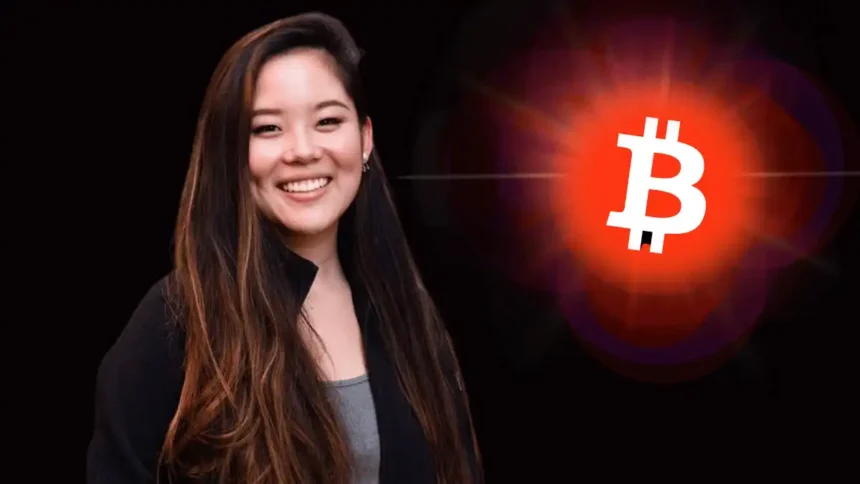
The Bitcoin development community is processing a significant transition as Gloria Zhao, one of the project’s most influential maintainers, has officially stepped down. After a six-year tenure defined by deep technical contributions to the network’s “waiting room”—the mempool—Zhao has revoked her PGP signing key and removed herself from the select group of gatekeepers authorized to update Bitcoin’s software.
Zhao made history in 2022 as the first known female maintainer of Bitcoin Core. Her work, largely funded through Brink with support from Jack Dorsey’s Spiral and the Human Rights Foundation, focused on the critical peer-to-peer (P2P) logic that determines how transactions propagate across the globe. She was instrumental in designing Package Relay (BIP 331) and TRUC (BIP 431), technical milestones aimed at making fee-bumping more reliable and strengthening the network against censorship.
The Technical Legacy and Mentorship of a Lead Maintainer
Beyond the code, Zhao was a pillar of the Bitcoin Core ecosystem. She co-led the Bitcoin Core PR Review Club, an essential resource for onboarding new developers into the project’s notoriously rigorous and conservative review culture. Her efforts ensured that the next generation of engineers had a roadmap for navigating the complexities of the protocol.
Her technical focus on Replace-By-Fee (RBF) and mempool policy wasn’t just about efficiency; it was about the fundamental way Bitcoin handles data. By refining how nodes communicate, she helped ensure that legitimate transactions could move through the network even during times of high congestion, maintaining the “monetary” priority of the blockchain.
A Turbulent Departure Amidst Protocol “Wars”
Zhao’s exit follows a period of intense friction within the developer community. The last year has been marked by a philosophical divide between Bitcoin Core and Bitcoin Knots—a conflict often referred to as the “OP_RETURN war.” This debate centers on whether Bitcoin’s default software should restrict non-monetary data (like Ordinals or Inscriptions) to preserve block space.
The pressure of this debate reportedly took a personal toll. In 2025, Zhao deleted her social media presence following a wave of personal attacks and a public livestream where her credentials were questioned by a fellow developer. While some critics of the current Core roadmap celebrated her departure, many others in the industry have voiced concerns about the culture of the space. Industry leaders, including Chris Seedor and high-profile commentators, have characterized her resignation as a “tragic” loss, suggesting that persistent “bullying” played a role in her decision to step away.
The departure of such a prolific maintainer leaves a void in the project’s leadership. As Bitcoin continues to scale, the community must now grapple with how to maintain a healthy, collaborative environment for the engineers tasked with securing the world’s largest decentralized network.