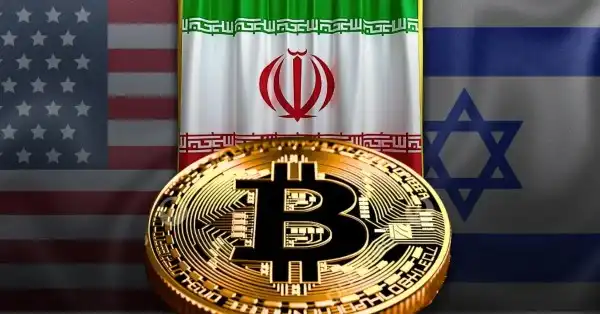
Reports indicate that Iran is exploring a highly unconventional geopolitical strategy to monetize and control the Strait of Hormuz. The country is reportedly considering an “insurance-based model” for passing vessels, with emerging speculation that these digital premiums could be collected in Bitcoin.
The shipping lane is one of the world’s most critical maritime choke points, handling roughly one-fifth of the global oil trade. Tensions in the region have escalated significantly following U.S. airstrikes in Iran earlier this year, which disrupted regular transit. In a historic shift, media reports reveal that Iran began collecting tolls from transiting ships last month—a measure that did not exist prior to the conflict.
The state-affiliated Fars News Agency, which has close ties to the Islamic Revolutionary Guard Corps (IRGC), recently reported that the Iranian Ministry of Economic Affairs is reviewing a document to manage the Strait via an insurance framework. According to the leak, this model would issue specialized marine insurance policies and financial responsibility certificates. Proponents of the plan suggest it could differentiate between vessels based on their country of origin and potentially generate upwards of $10 billion in annual revenue for Iran.
The Rise of ‘Hormuz Safe’ and Crypto Speculation
While the official state focus remains on a broader insurance framework, social media has been flooded with screenshots of a mysterious website called “Hormuz Safe.” The now-offline platform advertised “Secure Digital Insurance for Maritime Cargo,” prompting widespread speculation that Iran plans to mandate toll payments exclusively in cryptocurrency.
However, industry experts urge caution. The “Hormuz Safe” website was down shortly after gaining viral traction, and there is a distinct possibility the platform is entirely fraudulent. Maritime security analysts note that bad actors and opportunistic scammers have previously defrauded shipping companies in the region by demanding cryptocurrency payments under the guise of guaranteed safe passage.
Why Iran is Pivoting Beyond Stablecoins to Bitcoin
The rumored pivot toward Bitcoin highlights an ongoing cat-and-mouse game between heavily sanctioned nations and international regulators. Iran previously accepted oil tolls and maritime tariffs in a mix of fiat currencies like the Chinese yuan, Bitcoin, and U.S. dollar-denominated stablecoins. Tether (USDT) was reportedly the preferred digital asset for these transactions due to its price stability.
That preference shifted dramatically after U.S. authorities successfully froze $344 million worth of USDT tied to Iranian entities. Because stablecoins like USDT are managed by centralized corporate issuers, they remain vulnerable to Western regulatory compliance and asset seizures.
Key Insight: Unlike stablecoins, Bitcoin operates on a decentralized network with no central authority or issuer capable of freezing user wallets. This makes it an incredibly resilient financial tool for nations looking to bypass unilateral economic sanctions.
This architectural advantage aligns with statements made in early April by a spokesperson for Iran’s Oil, Gas, and Petrochemical Products Exporters’ Union. The official noted that certain vessels were permitted transit through the Strait provided they paid a tariff of $1 per barrel of oil directly in Bitcoin. Under that system, automated emails give vessels a tight window to settle their balances in Bitcoin, drastically reducing the risk of fund tracing or third-party confiscation before the transaction settles.